 Skip to content
Exploring the Best Indianapolis Investment Properties for Passive Income
The state’s housing shortage continues to drive up real estate values and rental fees, making Indiana investment properties an ideal vehicle to generate passive income streams. According to reports, residential property values ticked up by more than 14 percent, with occupancy rates remaining steadfast at over 90 percent.
These metrics are coupled with the fact that the Hoosier State continues to experience positive population growth. While residents are abandoning other states for economic reasons, more people are moving to Indiana. Along with our new and future community members, college students, young professionals, and other hard-working people need apartments, condos, and single-family home rentals. At Invest With Ben, we connect buyers with wholesale Indianapolis investment properties.
Why Indiana Investment Properties Are Good Business
Investing in Indiana real estate drives passive earnings on multiple fronts. First, purchasing a multi-family or single-family rental property allows investors to put their money into an asset that consistently demonstrates growth. Over the last five years, the state has seen rental fees rise by as little as 2.9 percent and as high as 13.78 percent. Those numbers align nicely with what you might expect if you put your money into the stock market. The big difference, unlike publicly traded corporations, is that real estate properties don’t make mistakes that cause values to plummet. In other words, Indiana investment properties are low-risk, high-reward prospects.
It’s also important to keep in mind that residential and commercial real estate grow wealth without lifting a finger. According to Zillow, year-over-year home values ticked up by 3.1 percent to $254,412 in July. Just five years ago, the average value hovered around $171,601. That’s an equity gain of more than $80,000, or $16,000 annually. Add those wins with the additional rental revenue, and property owners enjoy almost exponential portfolio growth without having to roll up their sleeves. The only question that needs answering is what constitutes the right Indianapolis investment property.
Types of Investment Properties Worth Considering
Few would dispute the fact that rental properties deliver a robust return on investment (ROI). While different types, locations, demand, and financing situations determine rates and profits, ROI averages generally run between 10 and 15 percent. In some cases, investors work with experienced investment property wholesalers to position themselves to secure an ROI upwards of 25 percent.
There’s no magic wand you can wave when it comes to selecting a rental. It’s all about finding a wealth-generating real estate option, such as the following:
Multi-Family Properties
The upside to purchasing a multi-family dwelling at a wholesale rate is that owners enjoy two or more rents in any given month. Even if you experience tenant turnover from time to time, occupied units help prevent any out-of-pocket expenses. Duplexes, triplexes, as well as large and small apartment buildings typically produce a greater scale of passive income than single-family homes. But keep in mind, it’s crucial to conduct due diligence and run the numbers before acquiring a multi-family property.
Determine the property’s gross rental income potential.
Factor in the possible vacancy rate, usually 5 percent.
Add up all the operating expenses.
Subtract the total operating expenses from revenue.
This approach gives you a net operating income estimate. The figure tells you approximately how much passive income will land in your bank account each month. While you’re receiving a steady passive income, real estate value improvements add to your equity.
The money is normally very good when it comes to investing in multi-family dwellings. You may also want to consider your approach to becoming a landlord. Some decide to save a few bucks by handling minor DIY projects, such as fixing clogged drains and changing HVAC filters. Others subcontract the work out to a property management firm and integrate the cost into rental fees.
Single-Family Home Rentals
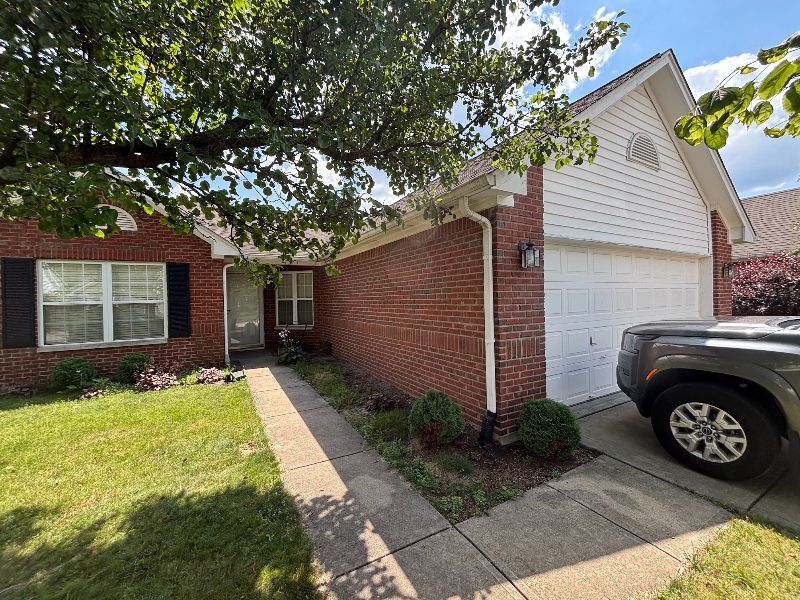
In terms of onboarding Indianapolis investment properties, single-family homes are also secure opportunities. This type of rental differs from multi-family options in a variety of ways that investors find appealing. If you buy a single-family dwelling, you won’t have to juggle the needs of more than one tenant. Houses occupied by singles, couples, and even families tend to experience less wear and tear. That usually means lower maintenance and upkeep expenses.
Renting a single-family house can also eliminate the need for a property manager. Plumbing, HVAC, landscapers, and other subcontractors can be put in place to respond to minor fixes. This approach generally makes renters feel like hiccups will be addressed promptly. Tenant satisfaction creates a landscape in which owners can charge rates that generate solid ROI.
Doing the math on a single-family purchase runs along the same lines as a multi-occupancy property. One of the key differences to mull over is vacancy. Consider factoring in a 1- or 2-month annual vacancy expense to ensure you don’t experience a revenue dip. A lease that accounts for short-term gaps buoys your overall ROI, especially when the home enjoys seamless occupancy.
Vacation Homes & Short-Term Rentals
The rise of Airbnb, Vrbo, and other internet-based short-term rental organizations has been something of a game-changer. Vacation homes and apartments that went unoccupied for periods have access to an international population looking for a place to stay. Consumers run searches on these and other platforms for living spaces that match their preferred vibe. Another facet of the Airbnb/Vrbo user involves securing peace and quiet at a lower rate than hotels.
When selecting Indianapolis investment properties, homes in nice neighborhoods are now a good option. Short-term renters typically like the ambiance of staying on a suburban street with manicured lawns and the sound of morning birds chirping. The same holds true of rural homes and waterfront properties that are underused. It’s not unusual for investors to buy a vacation home, set aside dates for personal and family getaways, and then make it available the remainder of the time. Not only can such a property generate passive income along with equity growth, but it also adds to your quality of life.
We Connect People with Indiana Investment Properties
At Invest With Ben, we work closely with community members to find and acquire real estate that generates passive income at wholesale prices. If you want to buy a single-family or multi-family investment property at a great price and maximize your ROI, contact us today. Let’s get the process started!
Read More Articles.
Learn how Indianapolis private mortgage notes offer passive income—explore the full article.
Discover why Indianapolis attracts investors with affordability, growth, and rental yields—read the article for details.
